Winter Hydration: How to Fuel and Hydrate When It’s Cold
0 Comments
When winter settles in, hydration is usually the first thing to slip. Thirst cues quiet down, bottles freeze, and it’s easy to assume that because you’re not sweating buckets, hydration and fueling matter less. But this simply isn’t the case.
Cold-weather training places real demands on your body—in some cases, just as much or more than summer training. Whether you’re logging base miles, spending more time on the bike trainer, or ramping up towards early-season races, hydration, electrolytes, and calories remain essential—just easier to overlook.
Here’s how to stay fueled, hydrated, and consistent when the temperature drops.
Hot take on cold weather: Some athletes are more dehydrated in the winter
Cold air doesn’t turn off fluid loss—it just disguises it. Even in winter, your body loses water through:
-
Breathing (especially in dry, cold air)
-
Sweat (often unnoticed under layers)
-
Increased urine output, a common cold response
The problem? Thirst lags behind need in cold conditions. By the time you feel thirsty, you’re often already behind on fluids. Over time, that small daily deficit can add up, leading to fatigue, sluggish workouts, headaches, and slower recovery.
The big winter-training takeaway: If you wait to drink until you’re thirsty, you’re likely underhydrating.
Winter’s sneaky hydration cues
In cold weather, hydration cues are quieter, and often don’t feel like thirst.
Watch for these subtle signs you may need more fluids or electrolytes:
-
Feeling flat or low-energy early in a workout or throughout the day afterwards
-
Muscle tightness or cramping despite easy effort
-
Headaches after training
-
Dark or infrequent urine
-
Struggling to stay warm during longer sessions
A simple strategy: drink on a schedule, not on thirst. Sipping consistently—especially during workouts over 45–60 minutes—helps prevent dehydration before it starts.
Electrolytes are always in season
In winter, athletes often default to plain water, thinking electrolytes are only for hot days. But without sodium:
-
Fluid absorption slows
-
You may pee out more than you retain
-
Energy levels can feel inconsistent
This is where a simple electrolyte mix makes a difference. Tailwind Rapid Hydration provides sodium and electrolytes without sugar overload or artificial ingredients, making it an easy option for:
-
Short winter runs or rides
-
Indoor training sessions less than an hour
-
Daily movement, walks, or strength work
Think of it as hydration that actually sticks, whatever the weather.
Cold weather 🤝Carbs
When it’s cold out, your body has to work harder just to stay warm, on top of the calories you're burning in training. And while working out in winter conditions may score you extra frost points, failing to fuel doesn’t—it only makes you slower.
Carbohydrates play a key role in cold conditions by:
-
Supporting steady energy output
-
Helping regulate body temperature
-
Preventing late-workout fatigue and post-run crashes
If you’ve ever felt chilled, shaky, or unusually drained late in a cold workout, chances are you needed fuel, not just more layers.
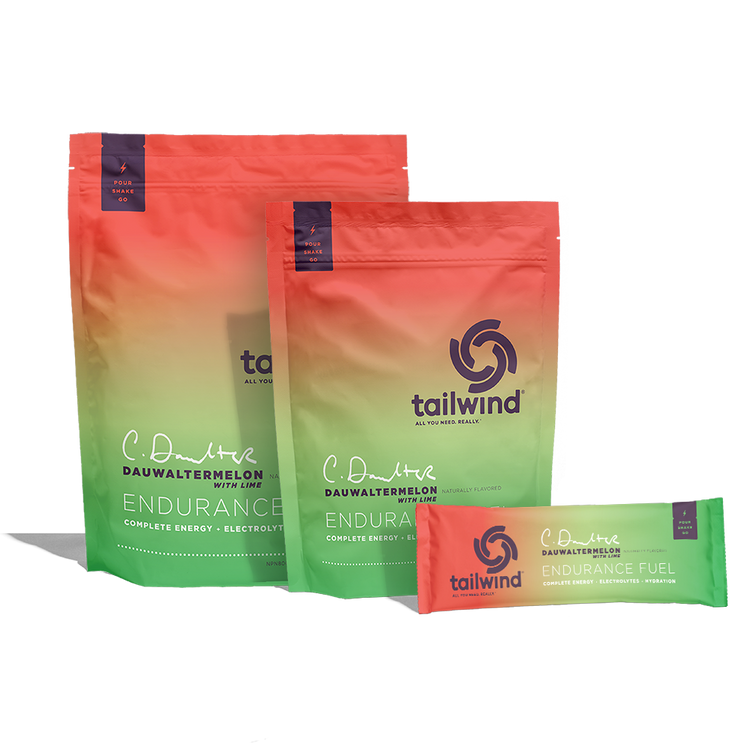
For longer runs, rides, or base-building sessions, Tailwind Endurance Fuel provides carbohydrates and electrolytes together in a form that’s easy on the stomach—even when intensity is low and digestion is slower.
No frozen gels. No rock-hard bars to break your teeth. No fumbling packaging with frozen fingers. Just smooth, steady energy you can sip.
Let’s get practical
Make winter fueling more fun with a few small adjustments:
-
Try warm water in your bottles: Start with warm (not hot) water to delay freezing and warm you from the inside out
-
Use insulated flasks for runs or rides in really cold temps
-
Front-load hydration: Drink before heading out, not just during
-
Early fueling gets the crown: Don’t wait until you feel depleted, start immediately
-
Practice now so spring hydrating and fueling feels automatic
Consistency through winter sets the tone for a strong spring.
The seasons change, Tailwind doesn’t
Cold weather doesn’t change the fundamentals—it just changes how easy they are to forget.
-
Rapid Hydration is ideal for shorter sessions, indoor workouts, and everyday hydration when thirst cues are muted.
-
Endurance Fuel supports longer winter efforts and early-season base training with steady calories and electrolytes that won’t upset your stomach.
No complicated plans. No seasonal guesswork. Just fuel that works—whether it’s 95 degrees or 25.