What to Drink Before a Run
0 Comments
Key Takeaways
- Start hydrating 1–2 hours before your run with 16–20 ounces of fluids to allow your body time to absorb water, balance electrolytes, and avoid starting your workout dehydrated.
- Choose balanced electrolytes and simple carbs over high-sugar or artificial drinks, since they support fluid retention, stable energy, and GI comfort without mid-run crashes.
- Match your hydration to timing and workout length, using Rapid Hydration for everyday runs and Endurance Fuel for 60+ minute sessions, and watch for cues like steady energy and light yellow urine to confirm you’re properly hydrated.
How to hydrate for better performance
Ever started a run feeling heavy, thirsty, or just off, even though you drank plenty of water? We’ve all been there. Pre-run hydration isn’t just about how much you drink—it’s about what and when (and it’s not always as intuitive as it seems). Dialing it in can mean the difference between fighting fatigue and flying through your miles.
So let’s break down what we know about hydration timing, electrolytes, and what to drink before a run to feel your best.
Start hydrating before you start your watch
Your body doesn’t absorb water instantly. It takes time to reach your muscles and cells.
Start sipping extra fluids 1–2 hours before your run to top off hydration and allow your body to balance electrolytes.
Aim for about 16–20 ounces of fluids during that window, adjusting for heat and sweat rate. If you tend to feel sloshy when you drink too close to running, stop your main intake about 30 minutes before you head out, then take a few small sips right before you start.
Pro tip: If your run is first thing in the morning, drink a glass of water (or Rapid Hydration) as soon as you wake up. You lose fluids overnight through breathing and sweat, so even light activity can feel tougher if you start off slightly dehydrated.
Hydrate smarter, not sweeter
Not all pre-run drinks are created equal. High-sugar sports drinks, sodas, or heavy caffeine can backfire—spiking blood sugar, upsetting your stomach, or leading to mid-run energy crashes. On the flip side, low calorie drinks with sugar substitutes or sugar alcohols can often lead to GI distress and won’t support your energy needs.
Instead, look for a balanced mix of electrolytes and simple carbs that replace what you’ll sweat out and give your muscles easily accessible energy. Electrolytes like sodium, potassium, and magnesium help your body hold onto water, support nerve function, and prevent cramps, while the carbs keep you moving.
Simple hydration that works with you
Tailwind was designed for athletes who want to perform at their best with clean, simple and science-backed ingredients. Whether you're prepping for a peak long run or going for an easy shakeout, there’s no excuse to run thirsty.
-
For everyday runs or short workouts (<1 hour):
Tailwind Rapid Hydration is your go-to. It delivers quick-absorbing electrolytes without excess sugar or additives—so you can hydrate efficiently and feel light on your feet. -
For longer sessions or key workouts (60+ minutes):
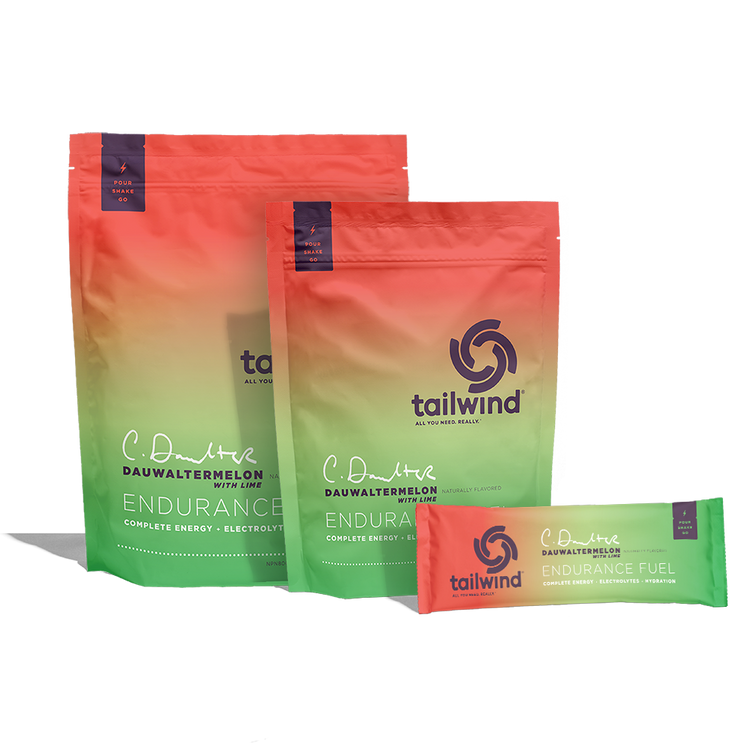
Tailwind Endurance Fuel gives you the perfect balance of carbs + electrolytes to keep energy steady while hydrating. Drinking it before your run helps you start topped off and ready to perform.
Time of day matters
Whether you’re lacing up before the sun or heading out with a headlamp after hours could impact your hydration needs. Here’s a helpful framework:
-
Morning runs: You’re often dehydrated from the night, so focus on replenishing fluids first thing. Try drinking 8–12 oz of Rapid Hydration as soon as you wake up (orange flavor is our morning runner’s favorite). If you need an extra boost, Caffeinated Endurance Fuel is guaranteed to get you moving. Whichever you choose, it’s best to give yourself a bit of time after drinking before hitting the road to avoid feeling sloshy.
-
Afternoon/evening runs: You’ve had all day to hydrate, but caffeine, salty foods, or heat may have thrown things off. A light electrolyte mix or Endurance Fuel 1–2 hours before helps rebalance fluids and top off carbohydrates.
How to know you’re properly hydrated
Your watch can only tell you so much when it comes to hydration. Instead, just pay attention to these cues:
-
Your urine is light yellow (not clear or dark).
-
You don’t feel thirsty or dizzy.
-
You don’t have a heavy or sloshy stomach.
-
Your energy levels are steady and you don’t feel extremely fatigued.
The bottom line: Get your sip together
If you often feel sluggish early in a run but are getting adequate nutrition, it could be a sign you may be starting dehydrated rather than underfueled.
Pre-run hydration isn’t just about avoiding thirst—it’s about setting your body up to perform. Start early, choose the right balance of electrolytes and carbs, and skip the high-sugar, artificial stuff. And remember: Like most things nutrition-related, pre-run hydration is personal, and may take some trial and error to really get it right. But it’s always worth the effort.