How to hydrate before, during and after a run
0 Comments
Key Takeaways
- Before: Start your run reasonably hydrated by sipping early, especially before morning runs, rather than chugging fluid right before you head out.
- During: Replace some of the fluid and electrolytes you lose in sweat with small, consistent sips, and add carbohydrates as runs get longer or harder.
- After: Rehydrate and replace electrolytes. After long or hard efforts, add carbohydrates and protein to support recovery.
- There's no single hydration number for every runner. Your needs change with sweat rate, heat, duration, and intensity, so test your plan in training.
A three-phase hydration plan for every endurance athlete
Pop quiz! When is the most important time to hydrate: before, during or after a run?
Trick question. The answer is D: all of the above.
While hydration matters at every stage, what your body needs—and how you meet those needs—can look a little different before, during and after your run.
So we’re doing what we do best and keeping things simple and science-backed. Think of hydration in three phases:
Before: Start hydrated.
During: Replace what you’re losing.
After: Rehydrate and recover.
Here’s how to put that framework into practice, for all runners and endurance athletes looking to maximize their potential and minimize their time on a spreadsheet.
Hydration is worth the hype
Sweating is one of your body's best ways to cool itself down during exercise. But when you sweat, you lose fluid and electrolytes, including sodium. If you don't replace enough of what you're losing, it can start to feel like you’re running through a pool of peanut butter.
And while dehydration can be a problem, so can drinking more fluid than your body needs (if you’ve ever had a sloshy stomach during an interval workout, you get it). The goal isn't to drink as much as possible. It's to find the right balance for your body. And that balance can change from one run to the next.
Phase 1: Before your run
The best time to think about hydration isn't when you're struggling through your second interval. It's before you lace up. The goal of pre-run hydration is simple: start your run reasonably hydrated.
This can be especially important for morning runners, who have gone several hours without drinking while they sleep. Rather than trying to chug a bottle before running out the door, start sipping right when you wake up, and give yourself a little bit of time to absorb it.
Too much fluid immediately before a run can leave you feeling uncomfortable or worse, planning your route around the local port-a-potties.
For a short, easy run in mild conditions, plain water might be all you need, but electrolytes (like sodium, potassium, etc.) can be beneficial if you’re heading out for a longer effort, running in the heat, or you’re a heavy/salty sweater. Salt lines on your clothes are a pretty good indicator that your body is losing a lot of electrolytes in your run.
Tailwind Rapid Hydration is designed for shorter, less intense efforts and everyday hydration, providing electrolytes along with a small amount of carbohydrate. Many morning runners find their stomachs actually tolerate it better than plain water on an empty stomach.
The big goal of this phase is to start hydrated, not water logged.
Phase 2: During your run
Once you're running, hydration becomes about replacing some of the fluid and electrolytes you're losing through sweat. How much you need depends on the workout.
A 30-minute easy run on a cool morning might not require any fluid during the run. But as your runs get longer, harder, or hotter, those losses add up.
There's no single hydration number that works for every runner. Sweat rates vary considerably between people, and the same runner can have very different needs depending on the conditions. That's why your hydration strategy for a cool spring jog shouldn't necessarily be the same one you use for a mid-summer hill workout.
As your runs get longer or more intense, you’ll need to think about fuel, too. This is where carbs are king.
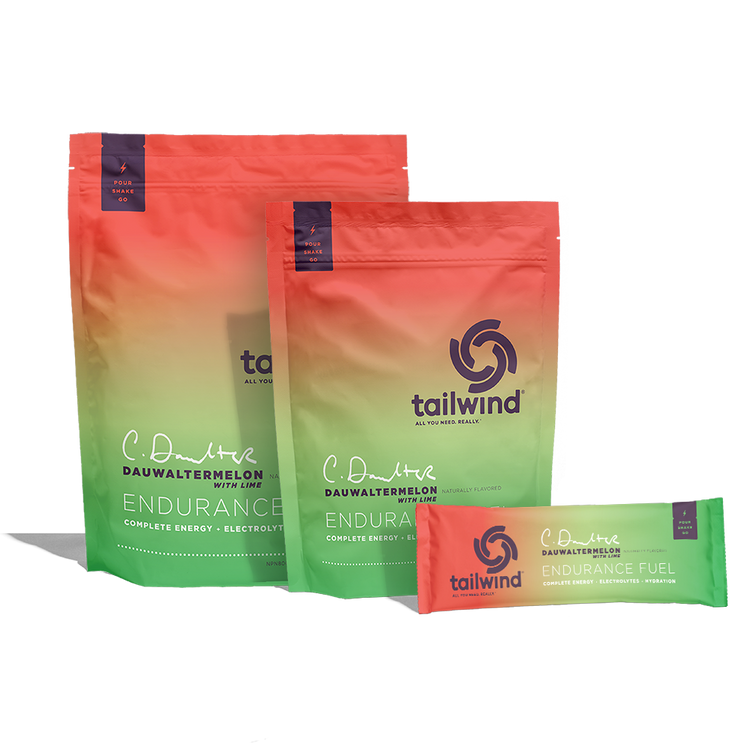
Tailwind Endurance Fuel combines carbohydrates, calories, and electrolytes in one drink, making it an easy option for longer training sessions and races. So you can take a single product, and meet all your nutritional needs.
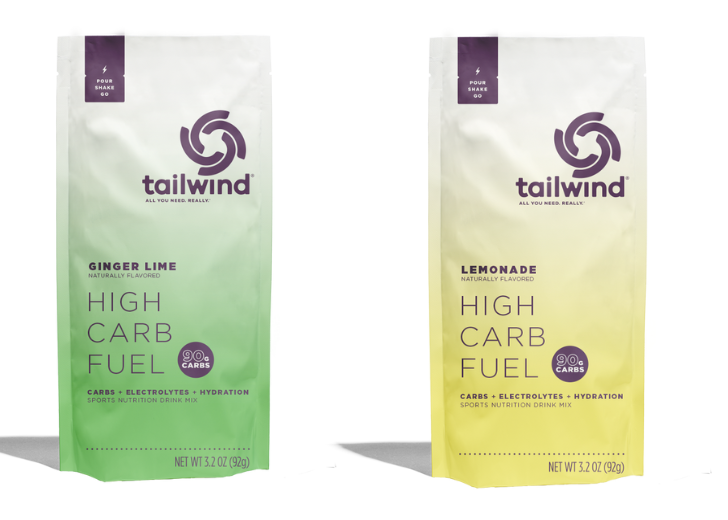
If you’re targeting a particularly high carbohydrate intake during a demanding effort, Tailwind High Carb Fuel delivers 90 grams of carbohydrates plus electrolytes in a single serving—basically, everything you need to rip it, all in one flask.
Mid-run drinking should not feel like a fire drill. The key to everything, hydration included, is consistency. Small sips throughout your run give your body its best chance to keep up. Experiment with what feels comfortable for your stomach, and practice carrying and drinking from whatever bottles or hydration vest you'll use on race day to make sure it’s easy to access throughout your run.
Heat changes everything
Hot weather can change your hydration plan quickly.
When your body has to work harder to stay cool, you generally sweat more. That means you may lose more fluid and sodium than you would during the same run in cooler conditions.
Don't automatically double your fluid intake when the temperature rises, though. Instead, pay attention to how your body responds and adjust your plan based on your own sweat losses. Running in varying conditions in training will help you dial this in for race day.
Phase 3: Recovery
Your hydration needs don't end when you stop running.
After a sweaty or demanding workout, your body is working hard to replace fluids and bring things back to homeostasis. You can support that effort (and feel ready for the next run) by continuing to replace the fluid and electrolytes you've lost. And if you've just finished a long or hard effort, recovery involves more than hydration alone. Your body also needs carbohydrates and protein to replenish energy stores and support muscle recovery.
That's where Tailwind Recovery Mix comes in. It combines carbohydrates, 20 grams of complete protein, and electrolytes in one post-workout drink. Think of it as the final step in the cycle: start hydrated, fuel the work, replenish and recover.
How to find your hydration sweet spot
Here's the tricky part about hydration: What works for your friend, a pro runner you follow, your favorite runfluencer—or even you 10 years ago—might not work for you today.
Your hydration needs depend on:
-
How much you sweat
-
How much sodium you lose in your sweat
-
Temperature and humidity
-
Run duration
-
Exercise intensity
-
Your stomach tolerance
-
How soon you'll need to train again
You can get a better idea of your sweat rate by weighing yourself before and after a run and accounting for the fluid you drank during the workout. Try this in different conditions to see how your needs change.
Thirst and urine color can also provide useful—but imperfect—feedback.
Most importantly, practice.
Your long run is the perfect place to test your hydration strategy. Think of it as your test kitchen: Try different fluids, concentrations, and electrolyte levels. See what feels good at mile five, mile 15, and the morning after.
Whatever you do, don't wait until race day to find out what works.
The hydration hall of shame
Avoid these all-too-common hydration mistakes and mishaps, and you’ll already be ahead of the cutoff.
Starting dehydrated: Don't wait until you're running to start thinking about fluids.
Waiting until you're so thirsty that puddles look appealing: Build a drinking routine rather than trying to make up for lost fluid all at once.
Drinking only plain water on long, hot efforts: Longer, sweatier runs increase your need for electrolytes and carbohydrates.
Drinking too much: More fluid isn't always better. Overhydration can also be dangerous.
Trying something new on race day: Your race is not the place to discover that your hydration strategy doesn't agree with your stomach. Practice in training so you can perform when it counts.
Drink smarter, run stronger
As you can see, hydration doesn't need to be complicated.
Start your run hydrated, replace the fluid and electrolytes you’re losing and add carbs as the demands of the effort increase. After your run, don’t wait to rehydrate and replenish carbs, protein and electrolytes.
Your needs will change with the weather, intensity and duration of your run, so adjust your fluids accordingly. And remember: there isn’t a magic hydration number that works for every runner. Find your formula in training, practice it until it becomes second nature, and when race day arrives, put hydration on autopilot and focus on that finish line.