How to Fuel and Hydrate for High Altitude Training
0 Comments
Altitude changes, well, everything. Here’s how to master the mountains with a solid fueling strategy.
Training at altitude has a way of humbling even the fittest athletes—the mountains are where the best laid race plans go to die.
Paces slow down. Heart rate climbs faster. Your mouth feels dry no matter how much you drink and your go-to snacks (yes, even Nerds Clusters) start to sound unappealing.
That’s because higher elevation changes how your body handles hydration, fuel, and recovery. The dry air and increased breathing rate accelerate fluid loss, while harder efforts and lower oxygen availability make steady carbohydrate intake even more important.
The good news? You don’t need a complicated nutrition strategy to perform well in the mountains. Keeping hydration, electrolytes, and carbohydrates steady goes a long way at elevation—and allows you to keep sending it all summer long.
Big takeaways (if you don’t read anything else, read this)
Altitude increases fluid loss—even in cooler temperatures—and your body relies more heavily on carbohydrates for energy at elevation. That means hydration and fueling need to start before activity begins, not once you’re already feeling depleted.
But altitude can also mess with your digestion. Keeping things simple and steady with easy-to-digest fuel and consistent electrolyte intake can help you stay stronger and steadier during your adventures up high.
TLDR: Fuel frequently and throughout any big effort at altitude.
It’s not in your head—altitude feels harder
The higher you go, the harder your body has to work to deliver oxygen to your muscles. Breathing rate increases, heart rate rises faster, and even easy efforts can suddenly feel much harder than expected.
At the same time, mountain air is typically dry, which accelerates fluid loss through both breathing and sweat. Many athletes notice the effects quickly: dry mouth, elevated heart rate, headaches, fatigue, or the feeling of bonking earlier than usual.
At altitude, small hydration and fueling mistakes get big fast. And bonking at tree line isn’t just embarrassing—it can be dangerous.
Hydration up high
At altitude, dehydration sneaks up quickly—even in cool weather. By the time you feel thirsty, you may already be playing catch-up.
That’s why electrolytes matter just as much as water. Sodium, potassium, and other electrolytes help your body absorb and retain fluids, which becomes increasingly important during long runs, rides, hikes, or back-to-back training days in the mountains.
A balanced electrolyte drink like Rapid Hydration can help support hydration before and after activity without feeling overly salty or heavy.
The biggest key is starting early. Athletes tend to feel and perform better when hydration happens consistently throughout the day rather than reactively during a workout. Starting a session already hydrated is much easier than trying to claw your way back from a deficit halfway through a climb or long run.
Fuel early, fuel often
Altitude also changes how your body uses energy.
At elevation, the body relies more heavily on carbohydrates because carbs require less oxygen to metabolize than fat. As a result, glycogen stores deplete faster, which is one reason athletes often feel energy crashes happen earlier at altitude.
That’s also why consistent fueling matters so much. Waiting too long to eat or drink during long efforts can quickly turn into major dips in energy and performance.
Simple fuel sources usually work best at elevation, especially during harder efforts when digestion can become more sensitive. Many athletes find that liquid calories and easy-to-digest carbohydrates are more manageable than heavy foods or dense snacks while breathing hard on climbs or technical terrain.
A simplified fueling system can also reduce the stress of trying to juggle separate calories, hydration, and electrolytes during long mountain days.
What to eat before training at altitude
Before training or racing at elevation, the goal is to start hydrated and fueled, but not stuffed.
In the hours leading up to activity, most athletes do best with relatively simple carbohydrate-focused meals paired with fluids and electrolytes. Oatmeal, toast, rice, fruit, or liquid calories are often easier to tolerate than heavier meals, especially early in the morning or shortly after arriving at altitude.
For athletes who struggle with appetite at elevation, drinking calories can sometimes feel significantly easier than forcing down solid food.
Rapid Hydration can help support pre-session hydration, while Endurance Fuel offers a lighter way to begin topping off carbohydrate intake before longer efforts.
Fueling during long efforts
The best altitude fueling strategy is one that combines simplicity + consistency.
Don’t wait until you’re exhausted, dehydrated, or hungry to start fueling (hunger cues hit differently up high and can easily be missed). Small gaps in intake can turn into major energy swings surprisingly quickly at elevation and you don’t want to find yourself loopy before you finish your loop.
Instead, focus on sipping fluids regularly and steadily taking in carbohydrates throughout the effort. For many endurance athletes, liquid fueling works especially well at altitude because it’s easier to digest while breathing hard.
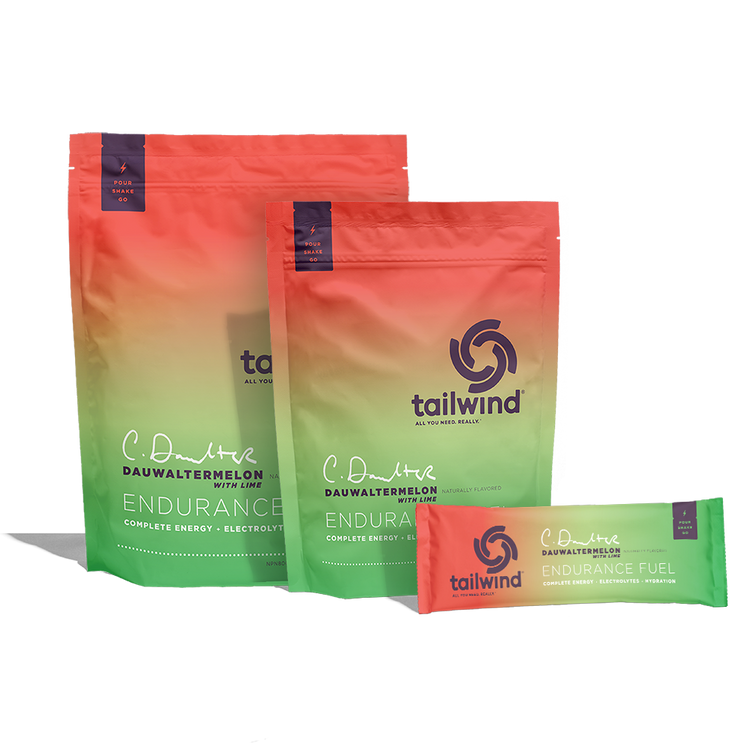
Endurance Fuel simplifies this process by combining calories, hydration, and electrolytes into one system.
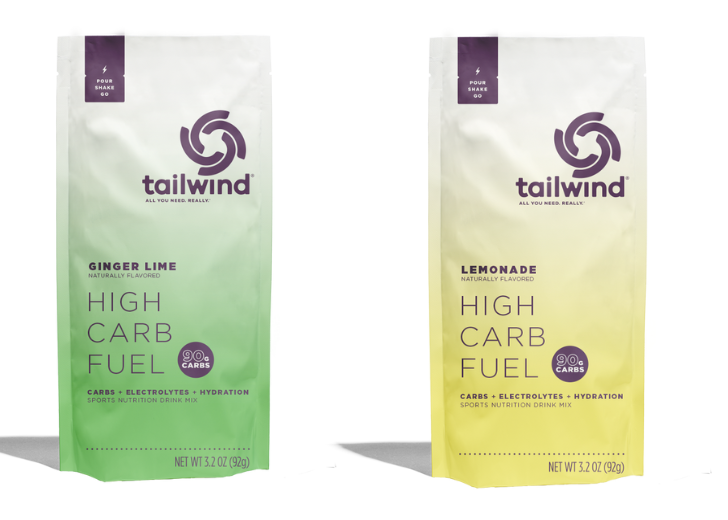
Athletes pushing higher intensities or racing longer at altitude may also benefit from higher carbohydrate intake strategies. High Carb Fuel can help support bigger energy demands without requiring athletes to constantly juggle multiple products or complicated fueling plans.

In the mountains, recovery matters even more
Recovery tends to take longer at elevation, especially during big training weekends or back-to-back mountain days. Replacing fluids, electrolytes, carbs, and protein soon after training can help you bounce back faster for the next session.
Even mild dehydration can compound fatigue over several days at altitude, which is why recovery habits matter just as much as during-workout fueling.
You also don’t want to accidentally wait out the entire two-plus hour drive home to start recovery, so convenience matters here, too. Recovery Mix makes it easier to jumpstart the rebuild while you’re still at the trailhead.
Keep it simple to keep it sendy
Altitude training will probably never feel easy—but fueling for it can.
Whether you’re training for an alpine ultra, riding high mountain passes, or heading out for a long day above treeline, smart hydration and fueling can help you stay stronger, steadier, and more comfortable at every summit.