Are more carbs better? A guide to smarter Endurance Fueling
0 Comments
Sports dietician Kylee Van Horn on glycogen, gut training, and fueling for performance
Endurance athletes are hearing it everywhere: eat more carbs.
But more isn’t always better. Just ask anyone who doubled their carb intake on race day without training their gut to handle it. Smart fueling beats more fueling, every time.
We sat down with sports dietitian Kylee Van Horn (https://flynutrition.org/) to break down what actually matters: how glycogen stores impact performance, what leads to depletion, and how to fuel for consistent, high-quality training.
Glycogen stores: You body’s snack shelf (and why you need to keep it stocked)
Glycogen is your body’s way of storing carbohydrates in the muscles and liver—your most accessible fuel during endurance training.
As Kylee puts it, “I like to explain glycogen stores as your muscle and liver storage centers for carbohydrates… your muscles hold the most, but the liver stores can also be an important tool for energy production for the brain when blood glucose is low.”
The challenge is that storage is limited.
When those glycogen stores run low, performance drops. That “hitting the wall” feeling isn’t random—it’s glycogen depletion.
“The brain starts to feel foggy due to lack of glucose and the body starts to slow down due to a dramatic shift in sustainable power output,” Kylee said.
Fueling isn’t just about energy—it’s about delaying that drop-off as long as possible.
The great debate: How many carbs per hour?
Despite the noise, the foundation hasn’t changed. Most athletes will perform best taking in 60–90 grams of carbohydrate per hour during longer or harder efforts.
The recent push toward 90 grams per hour—and beyond—has a place, but it may not work for everyone.
“Carb intake… is highly variable,” Kylee said. Athletes training for longer distances or producing higher power outputs are often the ones who benefit most from increasing intake, since they’re burning through more energy each hour.
The takeaway: fueling should match the demands of your training—and it’s not a one-size-fits-all number.
Gut training: The difference between the podium and the port-a-potty
If there’s one thing that limits higher carb intake, it’s digestion.
Gut training is the process of practicing carbohydrate intake during exercise so your body adapts. Over time, this can increase how much you’re able to absorb and utilize.
“It can produce measurable structural and biochemical changes that increase how much carbohydrate your gut can absorb and tolerate,” Kylee said.
The key is progression. Start with your baseline, then gradually increase intake by about 10–15 grams per hour every few weeks. Practice this during real workouts (not just race on day) and use a mix of carbohydrate sources to maximize absorption.
Like endurance itself, this is something you build.
Carbs before a run: Fuel up before you lace up
Going into a session underfueled makes everything harder.
A practical starting point for carbs before exercise is around 0.5–2 grams per kilogram of body weight, ideally 1–3 hours before training.
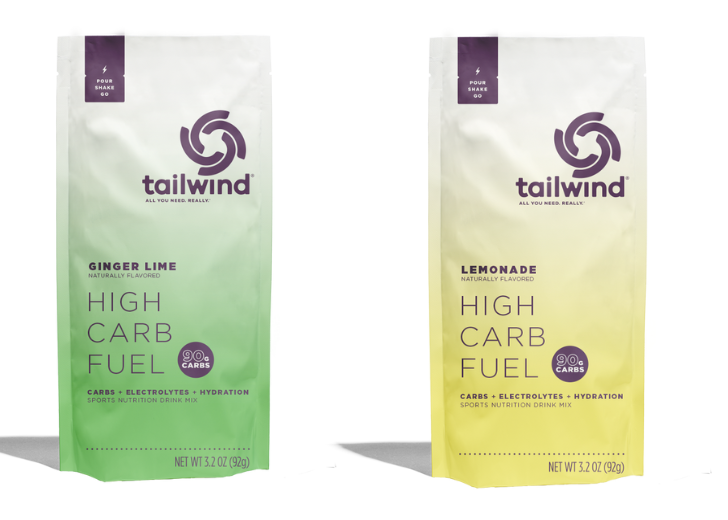
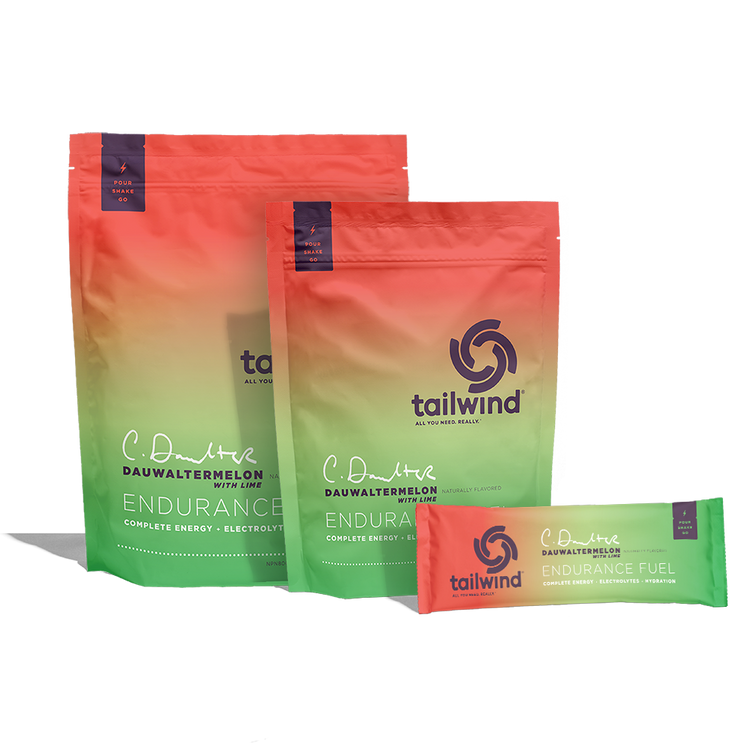
Kylee emphasizes a gradual approach: start small, keep fat and fiber low, and build up over time. For some athletes, especially closer to the start, liquid carbohydrates may be easier to tolerate than solid food. Endurance Fuel or High Carb Fuel are both great options.
Remember, fueling is all about finding what works and repeating it. Day after day, week after week, training block after training block.

Carb loading is a lifestyle
Carb loading isn’t just for race week—it’s a tool for better training.
Keeping carb intake high during training can help restore glycogen between sessions and maintain quality across heavy training blocks. It’s less about a single big effort and more about consistency over time.
Kylee recommends practicing your race-week strategy well in advance, and to practice individual days of the plan before key long runs or rides.
It’s worth repeating: Nothing new on race day.
The “best carbs” are the carbs you can tolerate
There’s no universal “best carbs for athletes”—only what works for your body and your training.
Lower-intensity sessions may allow for more whole food options, while higher-intensity efforts or heat often call for simpler, faster-digesting sources like drink mixes or gels.
Keep it simple: choose what you can absorb, tolerate, and use consistently.
Fight fatigue with fuel
Underfueling is still one of the most common mistakes endurance athletes make, and it doesn’t always show up right away.
It can look like lingering soreness, fatigue that doesn’t resolve, disrupted sleep, or even getting sick more often.
At its core, fueling for training is what allows you to stay fresh enough to keep showing up. When intake matches output, recovery improves—and so does performance.
Recover faster with carbs on board
Carbohydrates often get overlooked after training, but they play a critical role in recovery.
To boost recovery after a workout, aim for carbohydrates along with protein within about an hour of finishing. A general target is 1–1.5 grams per kilogram of body weight, focusing on easily digestible sources.
According to Kylee, carbs help make the entire recovery process more efficient by supporting glycogen replenishment, so you’re ready for your next session.
And that recovery doesn’t stop at one snack. It continues with consistent fueling throughout the day.
So, are more carbs better? It depends.
Carbohydrates are a performance tool—but high carb fueling requires training.
Glycogen stores are limited, and glycogen depletion is one of the biggest drivers of fatigue in endurance sports. For most athletes, 60–90 grams per hour is enough to support performance, while higher intakes can be beneficial in specific scenarios with the right preparation.
The goal isn’t to chase bigger numbers. It’s to show up fueled, recover well, and stay consistent.
Fuel smarter, not just more.